Transform Wood Element Imbalance for Calm Energy
Are you snapping at loved ones or clenching your jaw? These may be signs of a wood element imbalance. Discover how to transform suppressed anger into calm, creative energy using eastern wisdom and holistic practices.
1/30/20264 min read
Introduction: The Subtle Storm Within
You know the feeling: a surge of heat when someone cuts you off in traffic, or a sharp, uncharacteristic snap at a partner over a misplaced set of keys. Often, these moments of "edginess" aren't just isolated bad moods. In the framework of Eastern philosophy, they are the telltale ripples of a "Wood Element" imbalance.
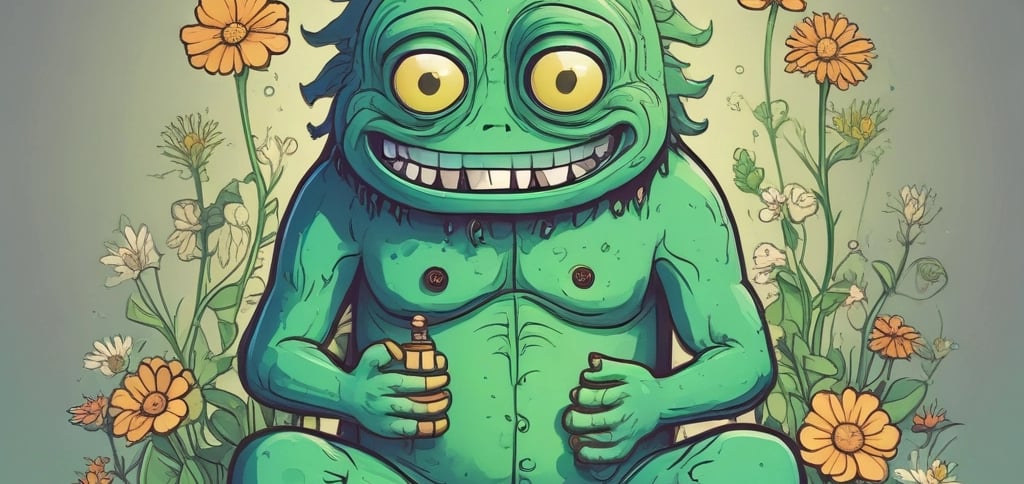
The Wood element is the energy of Spring—the force of growth, renewal, and direction. In the body, this energy is governed by the Liver and Gallbladder. When this energy flows, we are creative and decisive. But when it becomes stagnant or blocked, it doesn't simply vanish; it transforms into a "subtle storm" of suppressed frustration. In the Elemental Living philosophy, if you find yourself checking off a high volume of symptoms—the state we call the "Green Rage Monster"—it’s a sign that your internal pressure cooker is reaching a critical level. Suppressed anger isn’t a character flaw; it’s a physical and energetic state that demands a return to balance.
Takeaway 1: Your Body is Keeping the Score of Your Frustration
In the world of holistic wellness, we know that "seething" is never "soothing." When we white-knuckle our way through frustration, our biology pays the price. A Wood element imbalance triggers an overstimulation of the nervous system, flooding the body with cortisol. Over time, this chronic stress state compromises the immune system, turning emotional holding into physical vulnerability.
Your body acts as an early warning system, signaling that Wood energy has hit a roadblock. Here are the surprising physical telltales of suppressed anger:
A locked jaw: Clenched teeth during the day or grinding them (bruxism) at night.
Frequent sighing: An involuntary "release valve" for shallow breathing and pent-up tension.
The internal race: Sudden sweating or a racing heart for no apparent external reason.
Digestive "knots": Physical discomfort or distress in the stomach when facing stress.
The "Numb" Habits: Mindlessly turning to doom-scrolling, habitual shopping, or emotional eating to dampen the internal hum of tension.
Takeaway 2: The "Polite" Mask of Suppressed Anger
We often mistake anger for an explosive, loud event. However, for many, anger wears a "polite" mask of high-functioning compliance. You might find yourself over-accommodating others to avoid conflict, even while nursing a quiet sense of being treated unfairly. This behavioral camouflage often results in "emotional flatness"—a feeling of being disconnected or mildly depressed because the "burst" of your true self is being kept under a tight lid.
This imbalance frequently manifests as self-sabotage just as things are going well, or a habit of holding onto resentment long after an event has passed. Instead of speaking directly, the energy leaks out through sarcasm or replaying old arguments in a mental loop.
"When anger stays unexpressed, it often shows up as tension, frustration, or exhaustion."
Takeaway 3: Anger is Information, Not a Villain
As an emotional intelligence specialist, I invite you to view anger as a teacher rather than a villain. Anger is a signal that a boundary has been crossed or a need has been ignored. Awareness is the first step toward moving from a state of restlessness and the need to control others toward a state of harmony.
When the Wood element is balanced, that same "rage" energy is recycled into growth and renewal. You shift from irritability to "Harmony," where you naturally embody your true self. In this state, you find access to:
Patience and Forgiveness: The ability to release the "grip" on past grievances.
Gratitude: A profound appreciation for the current moment and your own progress.
Kindness: A natural, unforced extension of your personality toward others.
Self-expansion: Using your energy to create and move forward rather than to defend or assert.
"When we learn to listen to our anger, it becomes a teacher rather than a storm."
Takeaway 4: The "Flexible Tree" Strategy for Resilience
The Wood element’s greatest strength is not rigidity, but flexibility. Think of the sapling that survives a gale by swaying while the brittle, old branch snaps. To restore your own flexibility, you need a toolkit that moves stagnant energy and cools the "heat" of frustration.
Restoration Tools
The Exhale Release: Sit comfortably and inhale through the nose, then exhale fully and audibly through the mouth to signal safety to your nervous system.
Gentle Movement: Wood energy thrives on flow. Try light shaking of the limbs, stretching, or a brisk walk to physically "shake off" the emotional charge.
Tactile Creativity: Engage your hands in gardening, cooking, or painting. This redirects the "bursting" energy into tangible expression.
Cooling Scents: Use essential oils like lavender to calm, neroli to soothe, or peppermint to refresh and "cool" the heat of irritation.
The Power of Humor: Never underestimate a good laugh; humor is the ultimate tool for loosening emotional rigidity and gaining perspective.
The Strong, Flexible Tree Visualization
To embody this strength, close your eyes and visualize yourself as an ancient, resilient tree. Feel your roots reaching deep into the cool, moist earth, providing an unshakeable foundation. As you inhale, imagine the crisp, fresh air of early Spring filling your lungs. Your trunk is sturdy, covered in rough, protective bark, yet as the wind of life blows, your branches do not resist. See them swaying with grace, dancing with the breeze rather than fighting it. You are rooted, you are growing, and you are wonderfully flexible.
Conclusion: Moving Toward Your Own Spring
Transitioning from stagnant energy to a natural flow is a journey of reclaiming your own creativity. By noticing your physical and behavioral patterns—without judgment—you begin to dismantle the "Green Rage Monster" and return to your natural state of calm.
Anger is not a sign that you are failing; it is an invitation to return to balance. What is one small daily action you can take to stay in flow? Perhaps it is a minute of deep breathing, a moment of gratitude, or the choice to meet your next spark of irritation with curiosity. By listening to the "storm," you clear the path for your own internal spring.